
Treatments
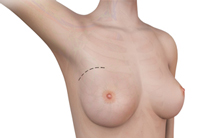
Breast Surgery
Breast cancer surgery involves the surgical removal of a tumor and a portion of the surrounding normal tissue to prevent its spread to the other parts of the body.
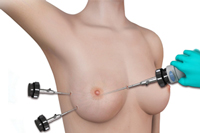
Laparoscopy
Laparoscopy is a minimally invasive surgical procedure performed using a laparoscope, a thin fibre-optic instrument with camera and lens attached to it.
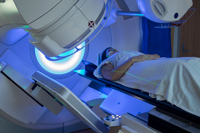
Radiotherapy
Radiation therapy, also called radiotherapy uses powerful X-rays and other high-energy rays to kill cancer cells using a machine called a ‘Linear Accelerator’.
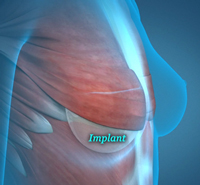
Breast Reconstruction
Breast cancer surgery involves the surgical removal of a tumor to prevent the spread of the cancer to other parts of the body.
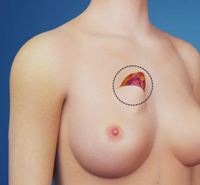
Lumpectomy
Breast problems are one of the most common health concerns among women and can affect them at any stage of life.

Mastectomy
Mastectomy is a surgery performed to treat or prevent breast cancer by removing the breast tissue. Simple or total mastectomy involves the removal of the entire breast tissue (along with the areola and nipples), but the lymph nodes and muscles are left intact.
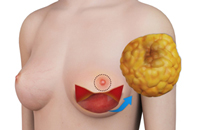
Nipple Sparing Mastectomies
Mastectomy is a surgery for the removal of breast tissue affected by cancer. It usually involves removal of the breast tissue, nipple and areola.