
Radiotherapy
Alt names: Radiation Therapy
What is Radiation Therapy?
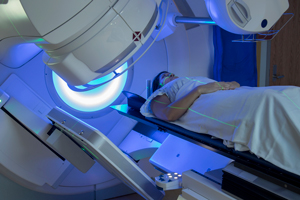
Radiation therapy, also called radiotherapy uses powerful X-rays and other high-energy rays to kill cancer cells using a machine called a ‘Linear Accelerator’.
Damaging the cancer cells means that they cannot grow or multiply and so they die. Normal cells are also damaged in this procedure but usually recover.
A number of tests will be carried out to see if radiation therapy will help,including:
- Checking pathology reports
- Chest X-ray
- CAT scans of abdomen and pelvis
- Bone scans
Tests are done so that the doctor can work out the right amount of radiation to use, and where it should go while limiting radiation to the bladder and other surrounding organs . The main problem with radiotherapy and chemotherapy is that the rays can kill healthy cells as well as cancer cells.
Usually the treatment is given every weekday for 4 to 6 weeks. It doesn’t hurt, and it doesn’t take long
Side effects may include:
- Many people may feel a loss of energy and increased lethargy during radiation therapy but this should remedy soon after treatment.
- For most people side effects will settle within about a month of completing treatment, although it may take other people longer.
If you suffer any side effects it is important you let your doctor know as soon as possible so that appropriate help can be given.
Click on the link below to find out more from American Cancer Society website.
Understanding Radiation Therapy: A Guide for Patients and Families